


Using Technology Wisely: EFBs and ADS-B
Smart use of technology keeps you informed. Overuse can make you distracted.
Avoiding Get-There-Itis and External Pressure
“Get-there-itis” tempts pilots to push through marginal conditions just to reach the destination. The destination will still be there tomorrow. Safety must always come first.

Staying Legal: VFR Minimums Explained
Flying VFR means more than “clear skies.” The FARs set legal minimums for cloud clearance and visibility. But at KCAK, flying legally doesn’t always mean flying safely.

Night Flying Safety Tips
Night flying out of Akron–Canton (KCAK) is beautiful—the city lights, smooth air, and less traffic. But it comes with unique risks.

Emergency Engine-Out Procedures: Practice Makes Permanent
Every Cirrus pilot knows the engine-out checklist, but knowing isn’t enough—practicing is key.
Recognizing and Managing Spatial Disorientation
Spatial disorientation is sneaky, dangerous, and a known killer. It happens when your body disagrees with your instruments.
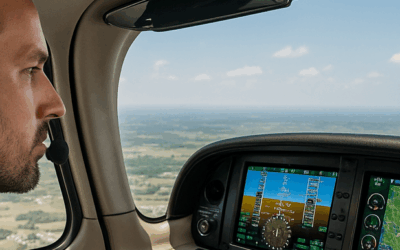
Single-Pilot Resource Management (SRM) Basics
Flying a Cirrus out of Akron–Canton (KCAK) often means managing everything yourself—radios, navigation, checklists, and passengers. That’s where single-pilot resource management (SRM) comes in.

Avoiding Mid-Air Collisions: See-and-Avoid Strategies
Even with ADS-B, the responsibility to “see and avoid” lies with the pilot. Remember: technology helps, but your eyes remain the best collision-avoidance tool.

Communicating Clearly with ATC and Traffic Advisories
Communication builds confidence and safety. Whether it’s the tower at KCAK or traffic at a nearby uncontrolled strip, be clear, concise, and professional.
Situational Awareness and the “Big Picture”
Staying situationally aware means keeping the “big picture” in mind. Flying isn’t about tunnel vision – it’s about wide vision.